


It starts subtly.
Your once chatty teenager is now withdrawn, keeping to their room more than usual. You chalk it up to hormones, the stress of school, the natural push-and-pull of adolescence. But then come the changes you can’t ignore: the glassy eyes, the mood swings, the missing money, the strange new friends.
If you’re a parent in South Africa today, you’re not imagining it: teenage drug abuse is a growing concern, and many families are facing it silently, unsure of what to say or how to act.
At White River Recovery Centre, we’ve walked alongside countless parents as they experience the fear, confusion, and heartbreak that often come with discovering their teen is abusing substances. This blog post is for parents. It’s about equipping you, the parent, with insight, understanding, and a way forward.
A snapshot of the problem
South Africa has a deeply complex relationship with drug use. According to a study published in Frontiers in Psychiatry, more than one-third of South African teens report using drugs or alcohol within a 12-month period — one of the highest rates in sub-Saharan Africa. The issue cuts across race, class, and geography. It’s in affluent suburbs and informal settlements alike.
Cannabis (dagga) is the most common starting point, especially since its decriminalisation for private use in 2018. For some, it stops there — a once-off experiment. But for others, it opens the door to harder substances like crystal meth, whoonga, mandrax, and over-the-counter medication misuse.
Beyond the statistics, numerous reports highlight the personal stories behind these numbers. For example, adolescents have been known to mix codeine-based cough syrups with soft drinks—a concoction popularised on social media platforms, which has led to severe health consequences. Similarly, the misuse of prescription stimulants like Ritalin for academic performance enhancement has been documented among high school students, often leading to dependency issues.
This is real. And it’s closer to home than many of us would like to admit.
Why are teens turning to drugs?



We want to believe our children are safe, that they’re happy, that the values we’ve instilled will hold. And often they do, until life gets messy.
Teenagers today are under more pressure than we ever were: academic expectations, social media comparison, household instability, economic uncertainty. Even in loving homes, teens may feel isolated, misunderstood, or out of control.
Here are a few common reasons teens in South Africa report for using drugs:
- To cope with stress — from school, home, or life in general
- To fit in — especially in communities where drug use is normalised
- To numb emotional pain — trauma, loss, abuse, or neglect
- To experiment — curiosity and risk-taking are part of adolescent development
- To feel confident or in control — particularly in social settings or when battling anxiety
We often hear stories from parents whose children turned to drugs not out of rebellion, but from a place of quiet pain. A teen might start smoking dagga after months of being bullied at school, telling themselves it helps with the anxiety. Another might begin using codeine syrup after losing a loved one and not knowing how to grieve.
These situations are more common than people realise, and in many cases, the substance is less about the high and more about the numbness.
Another factor that can’t be overlooked is boredom. In many parts of South Africa, teens lack access to safe after-school programmes, sports clubs, or creative outlets. When there’s nothing to do and nowhere to go, substances often fill the void.
It’s not always rebellion. Sometimes, it’s routine.
What to look out for
Teenagers are, by nature, unpredictable.
So, how do you distinguish typical growing pains from warning signs of substance use?
Here are some red flags to look out for:
- Sudden changes in behaviour: moodiness, irritability, or emotional outbursts
- Decline in school performance or dropping out of activities they once enjoyed
- Secretiveness or lying about their whereabouts, who they’re with, or what they’re doing
- Money issues: cash going missing, stealing, or sudden financial needs
- New or concerning friends, often older or with visible substance use
- Physical symptoms: bloodshot eyes, extreme fatigue, weight changes, strange odours
Of course, none of these signs confirms drug use on their own. But together, they may suggest that something’s going on beneath the surface.
What can you do as a parent?

First, take a deep breath.
It’s easy to go into panic mode or become overwhelmed with guilt. Many parents blame themselves — “Where did I go wrong?” — but blame helps no one, least of all your child.
Here’s what does help:
1. Talk — don’t interrogate
When you first suspect something’s off, sit down with your teen calmly. Choose a quiet moment when you’re not rushed or emotional. Say what you’ve noticed, and express concern, not judgment.
For example:
“I’ve noticed you’ve been really down lately, and I’m worried. Can we talk about what’s been going on?”
You may get pushback. That’s okay. Stay open. Let them know you’re a safe space.
2. Get informed
Learn about the substances commonly used by teens in your area. Did you know that in many parts of South Africa, codeine-based cough syrups are a growing problem? They’re cheap, easy to get, and seen as less “serious.” That is, until they’re not.
Knowing the facts will help you navigate conversations from a place of clarity.
3. Set boundaries — but keep the door open
Your teen still needs structure. Make your expectations around drug use clear. But avoid threats you can’t follow through on. Instead, emphasise that your rules come from a place of love, not control.
4. Model healthy coping strategies
Teens are sponges, They notice how we handle stress, disappointment, and conflict. If they see us turning to alcohol, food, or shutting down emotionally, they may mimic that. But when we show vulnerability, ask for help, or take a walk when we’re angry, it teaches them something powerful: emotions don’t have to be numbed. They can be managed.
Healing often begins with the adults.
When to seek professional help

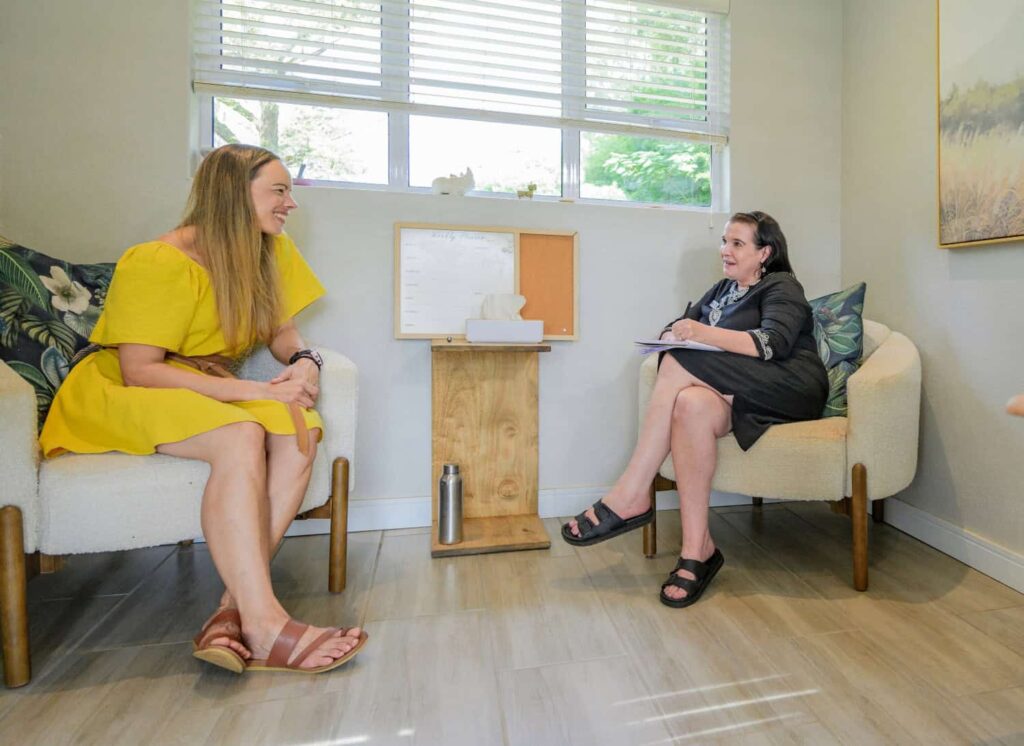
If your teen is showing signs of regular or escalating use, or if communication has broken down entirely, it may be time to involve a professional.
White River Recovery Centre offers a specialised approach to adolescent treatment, not just detox, but trauma-informed care that looks at the whole picture: mental health, family dynamics, identity, and resilience. Teens don’t use in isolation and can’t recover in isolation.
Therapy, support groups, and recovery coaching can all play a part in helping your child build a life they don’t need to escape from.
The parents’ healing journey
It’s not just your teenager who’s hurting. You are, too.
We’ve had mothers sob on our couch, fathers who’ve sat silently with tears running down their cheeks. There’s grief in realising that your child is struggling in ways you didn’t see. There’s guilt, shame, and fear for the future.
That’s why part of our work at White River Recovery Centre involves supporting the whole family.
We offer sessions that help you understand addiction, set healthy boundaries, rebuild trust, and care for your own well-being. Because you cannot pour from an empty cup. And because your healing matters too.
Real hope, real stories
We’ll leave you with this: people do recover.
We’ve seen teens come in angry, defiant, and broken. These same teens walk out six weeks later with light in their eyes. Not because they’ve been “fixed,” but because they’ve found something more meaningful than the high: connection, clarity, a reason to hope.
Parents who thought they’d lost their child get to witness them return — not the same, but wiser, more grounded, more whole.
Parents often tell us the change they see isn’t just in their child; it’s in the relationship itself. One mum said she finally felt like she could talk to her son again without the anger. Another dad shared how therapy helped him reconnect after years of distance. It’s not about quick fixes. It’s about rediscovering the thread of trust, one moment at a time.
Final thoughts

There’s no perfect script for parenting through this. But here’s what we believe:
- You are not alone.
- You are not to blame.
- And it is never too early, or too late, to reach out for help.
If you’re worried about your teenager and unsure what to do next, we’re here.
At White River Recovery Centre, we believe recovery is possible. And we’ll walk with you every step of the way.
Contact us to learn more about our adolescent and family support programmes. Because every teen deserves a future free from addiction, and every parent deserves to feel hope again.

About Gert Janse Van Rensburg
Gert Janse van Rensburg is a Clinical Psychologist and Equine Therapist at White River Manor. With over two decades of experience, Gert helps oversee most of the clients, bringing deep knowledge and a calming presence to addiction recovery.


