


You may have heard of the term ‘holistic’ quite a few times on your travels – I mean, let’s be honest, who hasn’t?
With today’s pop culture and wellness trends, it would be almost impossible not to have stumbled across the term at least once or twice, even without intentionally meaning to.
This may be particularly true if you are seeking addiction or mental health treatment for yourself or a loved one, in which case, you would have likely come across the word more than a handful of times.
Understanding the evidence behind holistic approaches can help you determine their effectiveness in recovery and mental health support.
Scientific studies and clinical outcomes increasingly support these methods, providing reassurance that holistic recovery can be a safe and effective path to lasting wellness.
However, when it comes to what holistic actually means, having accurate information is crucial, as it encourages those seeking recovery for emotional issues like anxiety, depression or substance use to make informed decisions about their health.
Tailoring holistic approaches to your unique needs ensures that emotional safety and root causes are effectively addressed, making recovery more meaningful and sustainable.
In this article, we will explore what holistic recovery really means, including practices like individual therapy, breathwork, yoga, and mindfulness, and how this comprehensive approach can lead to reduced relapse risk, improved health, and stronger relationships, fostering hope for a meaningful life.
What holistic really means in recovery
To put it simply, ‘holistic’ in mental health and addiction recovery describes a comprehensive approach that many inpatient treatment and rehab centres use to address the ‘whole’ person – mind, body, and spirit.
This approach considers all aspects of the individual, not just how they present clinically or what symptoms they may be experiencing.
For example, at our rehab centre in South Africa, White River Recovery’s holistic approach involves exploring what’s beneath your symptoms, i.e., what past experiences may be driving your current behaviours and/or what may have led you down the path of addiction.
This personalised focus helps build trust and demonstrates our commitment to addressing the whole person in recovery.
It’s about really deep-diving into potential root causes in a way that supports nervous system regulation and emotional safety, helping clients feel secure and cared for during their recovery.
We look at what’s underneath the surface of emotional issues such as depression, anxiety, PTSD and substance use to help individuals understand embedded patterns or coping mechanisms they may be using but are not helpful.
Inherently, holistic approaches are about considering the whole picture, moving away from ‘symptom management only’ methods, which rarely work, at least not in the long term.
What we mean by the whole picture is a thorough consideration of the individual’s unique struggles, background, lived experience, values, and potential recovery and wellness goals.
Traditional addiction models primarily focus on managing symptoms.
And while getting symptoms under control is vital in addiction and mental health recovery, this approach often leaves so much undone, so much emotion and lived experience left unexpressed and unprocessed in the body.
Which brings us to our next point.
What does a holistic approach involve?

Most people entering rehab for emotional issues like substance use often carry a lifetime of pain and unexpressed emotion in their bodies.
But it doesn’t stop there.
Addiction affects every aspect of an individual’s life; their health, choices, behaviours, sense of self, and core beliefs, requiring a multimodal approach to recovery.
By treating the mind, body, and soul, holistic rehab centres can help ensure that clients receive a combination of therapies and approaches tailored to their specific needs and preferences, resulting in better outcomes for individuals and families.
This can look different depending on the type of treatment centre you choose, but typically involves:
- Your physical health. How does your body react to stress? What are your eating and sleeping patterns like?
- Emotional well-being. What triggers your depression, anxiety and substance use symptoms?
- Interpersonal relationships. Do you have a safe, consistent support system? Are there any conflicts in your relational dynamics, and, if so, how do you cope when tension arises?
- Spiritual health. What gives you purpose? Do you feel connected to something bigger? What are your beliefs about yourself and the world?
- Your environment. Does your home life feel safe and supportive? Is your work stressful or overwhelming?
Holistic approaches look beyond ‘symptoms’ and explore all the different aspects of your life that may contribute to your condition or struggles.
It’s about understanding you, your essence, who and what matters to you and how, with the right approaches, you can learn to be more of yourself and not less.
Mind-body healing
Holistic approaches integrate clinical care with body-based practices to create an effective, long-lasting treatment experience.
For instance, clinical approaches such as cognitive behavioural therapy can help you understand your thoughts and behaviours better, so you can recognise unhelpful patterns in your life that may not serve you, such as drinking, gambling, or using drugs.
Individual and group therapy are considered the ‘mind’ aspects of recovery, approaches that are essential to understanding the self, experiencing a sense of belonging, and connecting with others who may share your struggles.
Holistic approaches, on the other hand, tend to focus more on the body and spirit. Common holistic practices in recovery include:
Mindfulness
Mindfulness practices involve being present with oneself and surroundings without judgement, shame or self-ridicule.
Techniques such as mindfulness meditation and deep bodily awareness help soothe the nervous system and promote present-moment focus, supporting emotional regulation in recovery.
This is similar to somatic tracking, where you are encouraged to close your eyes, relax, and focus on any body sensations you may be experiencing, such as held tension, pain, heat, or coolness.
Your therapist may encourage you to explore what these sensations might mean by going deeply into the body and focusing on what a particular feeling or sensation might need from you or want you to know.
Simply acknowledging sensations in the body can be powerful in recovery, almost like sending a signal of safety and acceptance to the parts of you that may be unintentionally neglected or overlooked amid a busy life.
Yoga
Yoga is considered a powerful practice in addiction recovery as it can help individuals to manage stress, develop healthy coping mechanisms and regulate emotions.
This practice involves a variety of movements, breathwork, and meditation, helping support emotional clarity and cultivate a deeper connection to yourself and your inner resilience.
This connection is vital in maintaining strength, resilience, healthy coping mechanisms, and managing cravings, enabling you to sustain long-term recovery.
Remember, addiction is the opposite of connection.
By going into the body, you are essentially reestablishing a deeper, more meaningful connection to yourself, giving you a much better chance at sustainable healing.
Music and art therapy
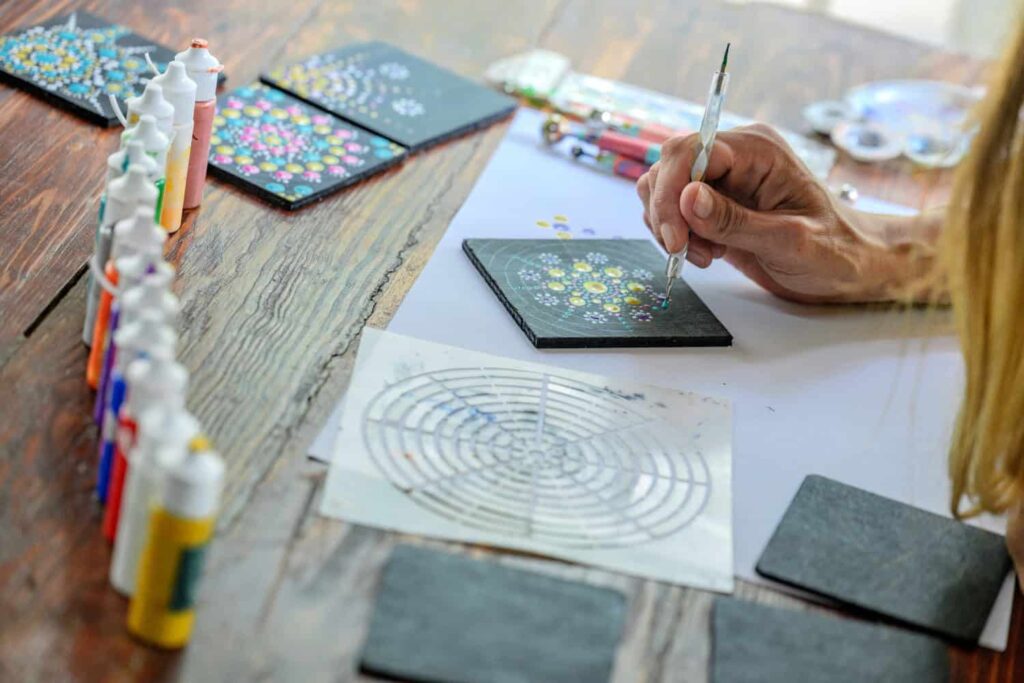



Many rehab centres in South Africa, in fact, all over the world, provide some form of music and art therapy to clients in recovery.
This approach involves a range of artistic activities such as painting, drawing, music or dance, facilitated by trained professionals in a safe, supportive environment.
Music and art therapy are incredibly popular in holistic treatment because they provide a non-verbal way to express emotions and experiences, making them highly effective for those who struggle to express their thoughts verbally.
The use of art materials can create a less pressurising environment for clients to explore more complex emotions and manage challenging feelings or beliefs.
Music and art therapy, a profoundly transformative tool in mental health and addiction recovery, provides various benefits that go beyond more traditional treatments, making it a vital approach for long-lasting healing.
Other holistic approaches used in recovery can include:
- Acupuncture
- Animal-assisted therapy
- Aromatherapy
- Massage
- Reflexology
- Tai-Chi
Combining clinical treatment with body-based approaches
There’s countless evidence to show that traditional and more wellness-based methods both play an integral role in substance use recovery.
Combining both approaches (holistic) provides a powerful, comprehensive, robust approach to recovery that wasn’t available to those seeking addiction or mental health treatment decades ago.
Traditional methods focus on specific challenges you might be facing and on getting you an accurate diagnosis, medication, and counselling to manage symptoms, an approach that tends to follow evidence-based protocols for healing.
On the other hand, but not in any way incompatible with the above, is holistic treatment that considers why your symptoms began.
This approach explores your lifestyle choices, sleep patterns, daily routines, past trauma, relationship stress, nutrition and spiritual disconnection, an approach that considers all parts.
Blending clinical treatment with whole body-focused therapies provides a transformative, comprehensive recovery plan for those struggling with mental health issues like substance abuse, depression, PTSD, and mood disorders, as it’s deeply rooted in cause-focused work.
The benefits of a holistic approach in recovery

At White River Recovery, we have witnessed the profound transformations that occur in clients who engage in integrated, holistic approaches to recovery. Some of these benefits include:
Reduced risk of relapse
Among many benefits, the multiple tools and methods used in this approach reduce an individual’s risk of relapse, offering vital opportunities for deeper, longer-lasting healing.
Improved physical health
Through daily exercise, good nutrition, meditation, and actually breathing the way we’re supposed to, clients’ physical health naturally improves, resulting in better sleep, more energy, and much fewer stress-related symptoms than before.
Enhanced relationships
Boundary setting, enhanced communication skills, and a general sense of well-being through treatment allow you to connect more deeply with those around you.
Holistic treatment approaches also encourage you to create a healthy support system, improving your relationships and overall well-being.
A life that feels more meaningful
With a combination of evidence-based treatment and spiritual exploration, you have unique opportunities to discover what matters most to you, helping you build a life that feels more meaningful and worth protecting.
If you would like to learn more about our holistic approach here at White River Recovery, or if you are concerned about yourself or a loved one, contact our treatment centre in South Africa today for further support and information.
We are always here to answer your questions and help you gently explore treatment options that feel aligned with your purpose and recovery goals.

About Gert Janse Van Rensburg
Gert Janse van Rensburg is a Clinical Psychologist and Equine Therapist at White River Manor. With over two decades of experience, Gert helps oversee most of the clients, bringing deep knowledge and a calming presence to addiction recovery.


