


When addiction begins, it rarely looks like it does in the movies. There isn’t usually one dramatic moment where everything changes overnight. More often, it tends to creep in with a mood change here and a cancelled plan there. Then there are the excuses that don’t quite add up.
You tell yourself that they’re tired or under pressure, and maybe that’s true. But as the days stack into weeks, the small changes start to form a pattern. The person you know seems less present, and you can’t feel that something is wrong, even if you can’t quite name it.
Many families only realise the truth in hindsight. The signs were there all along.
The sooner addiction is recognised, the sooner help can begin. Research shows that early intervention can prevent serious consequences and improve long-term recovery outcomes (National Institute on Drug Abuse, 2020). Acting early can make recovery more likely and protect relationships and health.
What follows is about paying attention, noticing the early signs, and knowing how to respond if you’re worried about someone close to you. It’s also about understanding what real support and treatment can look like, so you don’t feel lost when it’s time to take the next step.
Behaviour and mood changes
Addiction isn’t only about the substance or behaviour itself. It changes how a person lives. Early on, those changes might be subtle. Over time, they become hard to ignore.
You might see:
- Withdrawing from friends and family.
- Spending more time alone or with new friends you don’t know.
- Losing interest in hobbies or activities they once enjoyed.
- Missing work, school, or important commitments.
- Borrowing money or struggling to explain where it’s gone.
Mood shifts are also common:
- Becoming defensive when asked simple questions.
- Sudden irritability or anxiety.
- Seeming flat or detached.
Experts point out that sudden shifts in relationships and responsibilities often appear early in addiction (Mayo Clinic, 2022). These changes aren’t usually a choice. Addiction disrupts the brain’s natural balance. It gradually reshapes what feels important and what falls away.
Physical signs
Some of the early changes are physical. These may include:
- Noticeable weight loss or gain.
- Red or glazed eyes.
- Poor coordination or shakiness.
- Slurred speech.
- Neglected hygiene.
You might also see frequent colds or infections, or unexplained injuries. On their own, these issues don’t prove addiction, but when they are combined with behavioural changes, they can be red flags.
Shifts in daily life

Addiction often rearranges routines. You may notice:
- Avoiding family gatherings or social events.
- Skipping meals or forgetting basic self-care.
- Sleeping much more or much less than usual.
- Being absent or late without clear explanations.
Sometimes these changes are subtle. They may show up, but seem distracted or emotionally absent. You may catch yourself making excuses for them. “They’ve just been tired,” “It’s a stressful time.” If you notice that happening often, it’s worth looking deeper.
Myth vs reality in early signs
Sometimes it’s misunderstandings about addiction that can delay families from acting. Here are a few common myths:
Myth: They need to be using it every day for it to be an addiction.
Reality: In the early stages, use might be occasional but still harmful. Patterns matter more than frequency.
Myth: Only “hard drugs” lead to addiction.
Reality: Alcohol, prescription medication, and even behaviours like gambling can be addictive (American Psychiatric Association).
Myth: If they can still function at work or school, it’s not serious.
Reality: Many people hide their addiction for a long time. Functioning (on the surface) doesn’t mean they’re not struggling.
Myth: They have to hit “rock bottom” before getting help.
Reality: Early treatment is far more effective. Waiting for a crisis can make recovery harder (National Institute on Drug Abuse, 2020).
Trusting your instincts
You may find yourself thinking they’re not as easy to talk to as they used to be. The spark in their laugh feels dimmer. They sit with you, but you can tell their mind is somewhere else.
It’s common to question your own judgement, especially if they insist nothing is wrong. Still, families often notice the truth before anyone says it out loud. If your instincts tell you something has changed, it’s worth paying attention.
How to start the conversation
Bringing up addiction is rarely easy. You might worry they’ll get defensive, deny it, or shut you out completely. While you can’t control their reaction, you can choose to approach it with compassion.
Before you talk:
- Choose a private, quiet time.
- Don’t raise the subject if they’re under the influence.
- Be specific about what you’ve seen and why you’re worried.
When you talk:
- Use “I” statements, like “I’ve noticed you’ve seemed withdrawn, and I’m concerned.”
- Share your feelings rather than accusing.
- Give them space to respond.
- Stay calm, even if they get defensive.
The first conversation is simply about opening the door. Sometimes, people come back to it weeks or months later when they’re ready.
What treatment can involve

If they’re open to help, it can be reassuring to know what treatment actually looks like. At White River Recovery Centre, programmes are designed to support the whole person. Treatment often includes:
- Detox with medical support
- Individual therapy
- Group therapy
- Family sessions
- Holistic therapies like mindfulness or yoga.
- Aftercare planning
The Substance Abuse and Mental Health Services Administration (SAMHSA, 2020) notes that recovery outcomes improve when families are involved, which is why family support is a key part of treatment.
Supporting without enabling
Standing by someone in recovery matters, but it isn’t always easy. There’s a fine line between support and enabling, and crossing it can leave you exhausted. Real support looks like encouraging them to take ownership, keeping to the boundaries you set, and acknowledging each small step forward. It also means being honest about what you can and cannot do.
Just as importantly, you’ll need to look after yourself. Without your own balance, it’s challenging to show up for your loved one. You may need to seek counselling or join a family support group.
When they’re not ready
Sometimes, no matter what you say, they may not be willing to accept help. That doesn’t mean you’ve failed.
You can still:
- Voice concern when you see risky behaviour.
- Share information about treatment without pushing.
- Keep communication open and respectful.
- Step back when needed to protect yourself.
Change often happens slowly. Seeds planted today can take time to grow.
Why acting early matters
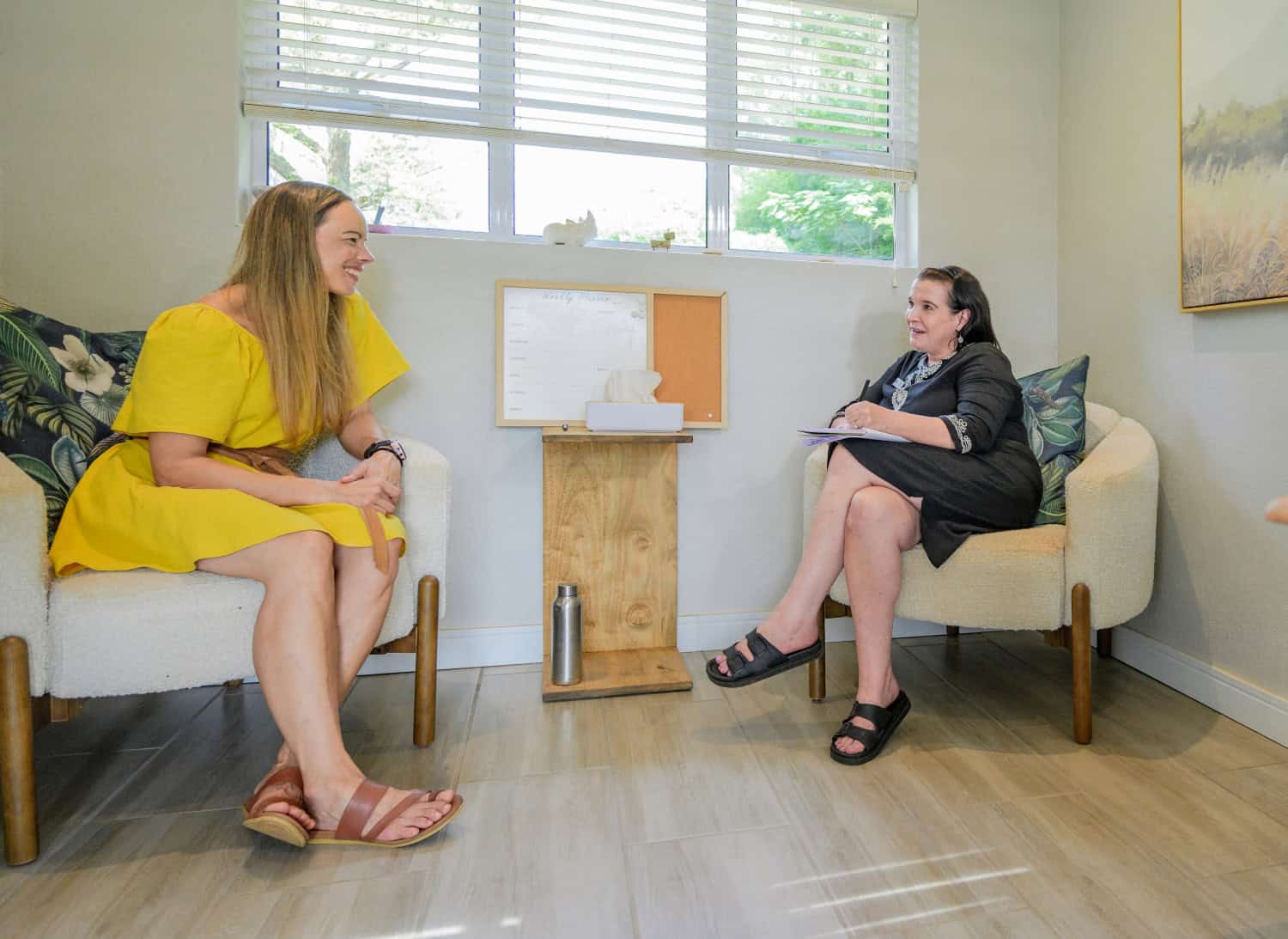
The earlier addiction is addressed, the better the chance of recovery. Early action can protect health, careers, and relationships. Most importantly, it can save lives.
Addiction is treatable. People recover every day. If you’ve begun noticing changes in someone you love, please understand that you are not alone. There is help for them, and there is help for you.
How can White River Recovery Centre help?
It’s not easy to face the possibility that someone you love may be struggling with addiction. It stirs up fear, sadness, and maybe even guilt. But naming the problem is step one.
At White River Recovery Centre, we walk with families from the moment they recognise a problem. Our programmes are built on compassion and proven approaches that help people change their lives.
If you’re worried about a loved one, please reach out to us to see how we can help.
References
- American Psychological Association. (n.d.). Addiction. https://www.apa.org/topics/substance-use-abuse-addiction
- Mayo Clinic. (2022, October 8). Drug addiction (substance use disorder): Symptoms and causes. Mayo Foundation for Medical Education and Research. https://www.mayoclinic.org/diseases-conditions/drug-addiction/symptoms-causes/syc-20365112
- National Institute on Drug Abuse. (2016). Drugs, brains, and behavior: The science of addiction. In NIDA research monograph (updated July 2020). National Center for Biotechnology Information (US). https://www.ncbi.nlm.nih.gov/books/NBK424859/
- Substance Abuse and Mental Health Services Administration. (2020). Family therapy can help: For people in recovery from mental illness or addiction (PEP20-02-02-016). U.S. Department of Health and Human Services. https://library.samhsa.gov/sites/default/files/pep20-02-02-016.pdf

About Gert Janse Van Rensburg
Gert Janse van Rensburg is a Clinical Psychologist and Equine Therapist at White River Manor. With over two decades of experience, Gert helps oversee most of the clients, bringing deep knowledge and a calming presence to addiction recovery.


