


Coping with the holiday blues can be challenging even if you don’t struggle with alcohol dependency, but for those who do, this time of the year can bring up a range of different feelings, such as loneliness, sadness, and longing.
For most of us, the first few months of the year can feel like a real comedown.
But for those in recovery, it can pose various challenges, including worsening symptoms of a mental health disorder like anxiety, depression or substance use disorder, putting them at higher risk of relapse.
The good news is that there are many strategies you can use to cope with any cravings or urges you may experience, particularly when the high of the holiday season is over, and the world is back to ‘business as usual.’
Whether you are here for yourself or a loved one, the following strategies are designed to help you or your family member cope with the holiday blues without resorting to unhealthy patterns like drinking.
And remember, seeking professional help is always a good option if you find your feelings are becoming hard to manage or too overwhelming.
Let’s get to it.
Ways to cope with the holiday blues without drinking
Managing the holiday blues without drinking involves a combination of techniques, primarily focused on self-care, mindfulness practices, and a strong social support system.
For many in alcohol addiction recovery, this can look like:
Acknowledging your feelings
Naming something often takes its power away – especially when it comes to intense emotions like sadness, anger, agitation, or cravings.
Actually taking the time out to acknowledge how you feel is a key step to coping with the more difficult emotions that may crop up in recovery without needing to distract, escape, or numb through alcohol (or other substances).
Let this be your reminder that it’s okay to feel anxious, sad, tired or even grief-stricken after the holiday season ends.
Remember, your nervous system is doing its best to recalibrate to changes in your environment, which can bring up a range of sensations and emotions in your mind and body.
The bottom line here is that by acknowledging (and naming) how you’re feeling, you’re signalling to your nervous system that these feelings are not dangerous or harmful, allowing you to better cope with your emotions without turning to the bottle.
Maintaining healthy habits
Focusing on maintaining healthy habits can help you feel more in control and confident in your recovery journey during the post-holiday period.
This can be easier said than done, but it’s crucial that you do your best to maintain a healthy structure wherever possible.
Remember, addiction thrives in chaos, so the recommendation here is to implement routine into your daily life so you can minimise any temptations or urges you may get to drink.
This can look like:
1. Regular exercise
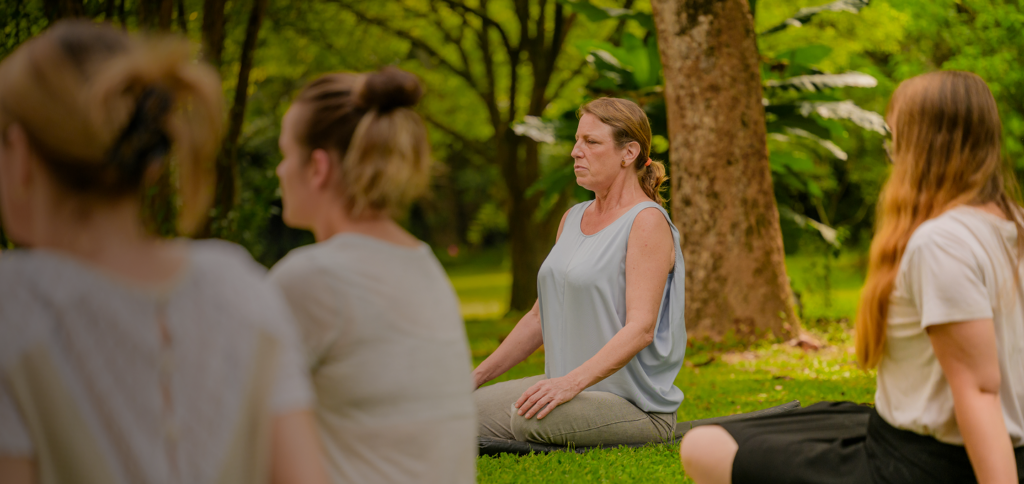
Going to the gym or engaging in your favourite exercise is a great way to stay active, maintain structure, and release the healthy endorphins that make you feel good.
It’s that one-two-punch that can help you avoid relapsing into old patterns like drinking, allowing you to feel physically and emotionally healthier, which can really help you to stay on track with your recovery.
People who feel well are less likely to turn to substances or other behaviours to cope, as they already are… coping.
2. Maintaining healthy sleep patterns
Sticking to a regular sleep schedule is another way to overcome the holiday blues without relying on booze or other distractions.
Good sleep patterns can act as a healthy buffer against all the expectations and stressful demands that come with the holiday season and can linger on long after it ends.
One helpful way to maintain a healthy sleep pattern is to go to bed at the same time every night and wake up at the same time every morning.
Try to aim for at least 7 to 9 hours of quality, uninterrupted sleep each night, which is the recommended amount we should all be getting to stay healthy and support our bodies’ recovery.
3. Healthy eating
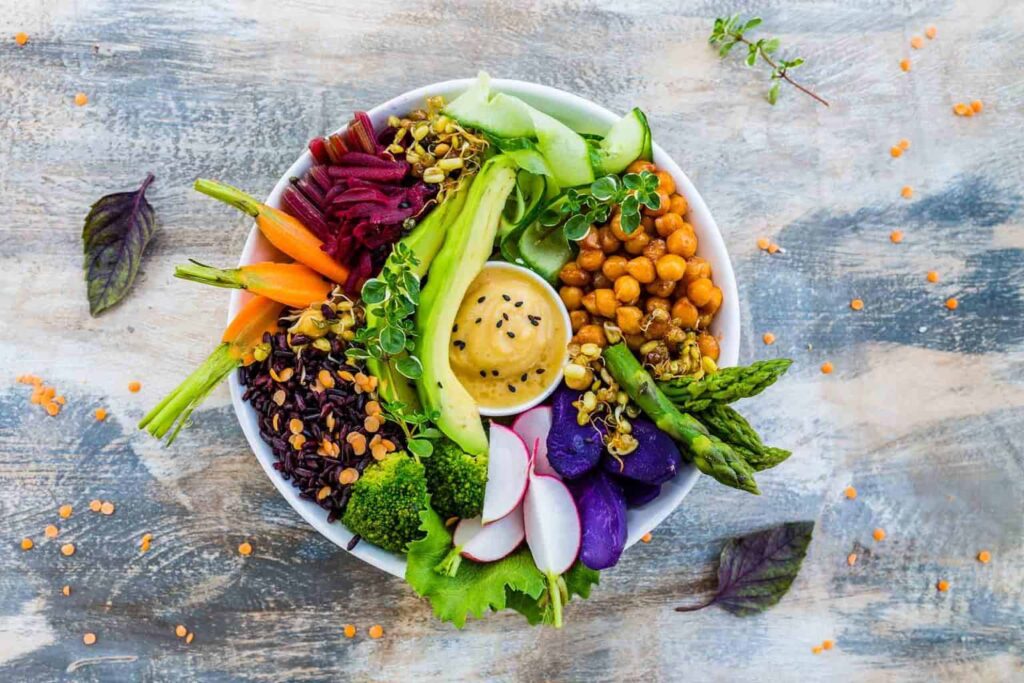
Eating well is another big one.
Research shows that having a regular dose of blueberries, for example, can help individuals with depression, anxiety, and other health issues manage their symptoms better.
Experts say that even the tiniest handful of blueberries each day can help you focus more clearly, improve your mood and can even make your brain sharper and more resilient, reducing the likelihood of unhealthy coping behaviours like substance use.
Cultivating a strong support system
For those in addiction recovery, this point is perhaps one of the most significant.
Building a strong social support system can help you feel a deeper sense of belonging and purpose, especially during challenging times, such as after the holiday season.
Addiction not only thrives in chaos, but it also breeds in isolation.
Incredibly smart people like Gabor Mate, a renowned addiction and trauma expert, describe addiction as the opposite of connection.
Therefore, to overcome substance abuse (and other dependencies), we must re-establish a healthy connection with ourselves, the world, and those around us.
Why?
Essentially, connection gives us a more profound sense of purpose; we cannot live healthily without the presence of others to help us make sense of our internal experience and the world at large.
Feeling seen, understood, and ‘got’ by others are vital yet massively understated aspects of healing, but that doesn’t diminish their significance.
If you have ever considered inpatient treatment at a rehab centre or you’ve engaged in the process before, you’ll know that most addiction treatment programmes include both group and peer support as part of the overall recovery plan.
There’s a good reason why these programmes exist – to enable you to share your story safely with others who can relate, whilst helping you stay accountable for your choices and behaviours.
Two key things can be taken from this: connection and accountability.
If we were to think about the polar opposite of this, it represents the core of most, if not all, addiction: disconnection and a varying degree of unaccountability.
Therefore, maintaining healthy social connections is vital to your remaining well long after the ‘high’ of the holiday season dissolves.
Planning events ahead of time
This speaks to an earlier point around maintaining structure but drills deeper into planning and organisation, particularly when it comes to events and other social obligations.
Scheduling and planning alcohol-free events ahead of time can help you manage social pressure and avoid triggers, ensuring you stay connected and maintain your routines without temptation.
This could look like volunteering at a charity close to your heart, attending a local coffee morning in your community, or simply hanging out with friends who respect your decision not to drink.
The point is, planning events or other social activities ahead of time gives you a chance to feel more ready and prepared, as well as to have an exit strategy when things become overwhelming or intense.
For those in recovery, so much of staying healthy and sober is about energy management and boundaries.
Managing and planning your time effectively and knowing when to ‘leave the party’ so to speak helps you maintain healthy boundaries, giving you more confidence and self-efficacy.
Which, over time, allows you to build the resilience and a stronger sense of self you need to stay healthy and alcohol-free.
Remember, you’ve got this, and we’re always here to support you


Like most things in life, we all have our unique responses and coping mechanisms to help us deal with life, particularly around this time of year, when everywhere you look, pop culture seems to be raving on about ‘new year, new me’.
The thing is, for those in addiction recovery, survival is often prioritised ahead of new year fads or cultural trends.
Most people in recovery or those thinking about starting treatment for an addiction are often just trying to stay healthy and booze-free, and they need lots of understanding and support to achieve this.
Alcohol addiction treatment in South Africa
At White River Recovery, we support individuals and families of all ages who struggle with a range of addiction issues, like alcohol addiction or drug abuse, as well as co-occurring mental health conditions such as anxiety, depression, and burnout.
Our experienced team provides a range of different programmes to suit your unique challenges, needs, and treatment goals.
We collaborate with you and your loved ones to ensure you and those closest to you get the most effective, meaningful treatment experience possible.
Addiction doesn’t just impact one person; it affects the entire family unit, and our alcohol addiction treatment programme in
South Africa reflects this by offering peer and family support as part of an integrated recovery plan.
We also provide trauma-informed treatment, behavioural therapies, and one-to-one counselling as part of our substance abuse recovery programme in South Africa, ensuring a comprehensive, personalised approach to lasting recovery.
You are never alone in your struggles.
The first step to getting the help you or your loved one needs is to reach out to our team today, either by phone at +27 76 350 9868, by email at booking@whiteriverrecovery.com, or through the online booking form on our website.
Contact our team at White River Recovery today for a safe, confidential discussion about how we can help you and your family move forward and live a happy, healthy, substance-free life once and for all.

About Gert Janse Van Rensburg
Gert Janse van Rensburg is a Clinical Psychologist and Equine Therapist at White River Manor. With over two decades of experience, Gert helps oversee most of the clients, bringing deep knowledge and a calming presence to addiction recovery.


