


By Renee W.
I used to think I was doing everything right. I stayed busy and made things happen. People thought I had it together. I worked hard. I showed up. I kept things moving.
But truthfully, I was barely holding on.
I didn’t even notice how drained I was in real time. When I look back at it, though, I see that I stopped laughing the way I used to. I stopped sleeping well. I snapped at people I loved. I felt foggy all the time. I didn’t enjoy anything, and I didn’t know why. Every part of me felt frayed.
I was tired, yes, but it was more than that. I was disconnected. From others. From myself. And I didn’t know how to fix it.
The life I built was draining me
I had become really good at managing things. Juggling responsibilities. Making sure nothing dropped. But somewhere along the way, I had stopped managing myself.
Rest made me anxious. Stillness felt wrong. I filled every space with noise—errands, phone calls, work, background podcasts. I couldn’t just be. And I didn’t realise how much that was costing me.
My body was showing signs. My mind was cluttered. And my spirit, if I’m honest, felt absent.
Eventually, something inside me got quiet enough to whisper what I had been avoiding for a long time: “This isn’t sustainable. Something has to change.”
The turning point
I didn’t have a dramatic rock bottom. I didn’t lose everything. But I was losing myself, day by day. And that felt like enough. It was costing me too much: my sleep, my clarity, my ability to feel joy, even my sense of who I was. I kept showing up for everyone else, but I had stopped showing up for myself.
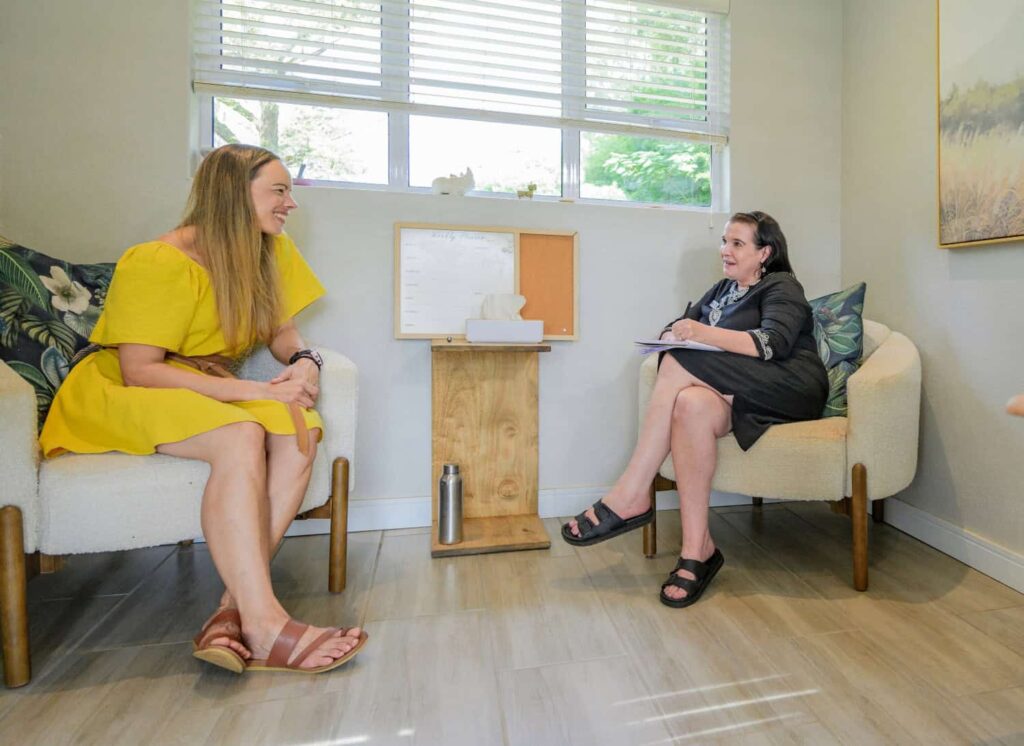
I made a rather impulsive decision that scared me at the time, but I am so grateful I did it: I reached out to a therapist.
Yes, it felt awkward at first. I didn’t know how to explain what was wrong because I wasn’t dealing with a big crisis. I just felt off and empty. I felt completely worn out. Like I had nothing left, but was still expected to give more. My therapist gently helped me name it: chronic stress, emotional depletion, and years of abandoning my own needs.
She also helped me see that I didn’t have to go through it alone.
She suggested I try a recovery group—not for addiction, necessarily, but for people who live with the same patterns I described. Over-responsibility. Caretaking. Perfectionism. People-pleasing. Chronic self-neglect.
So I went. And that’s when something started changing inside of me.
Finding space to breathe
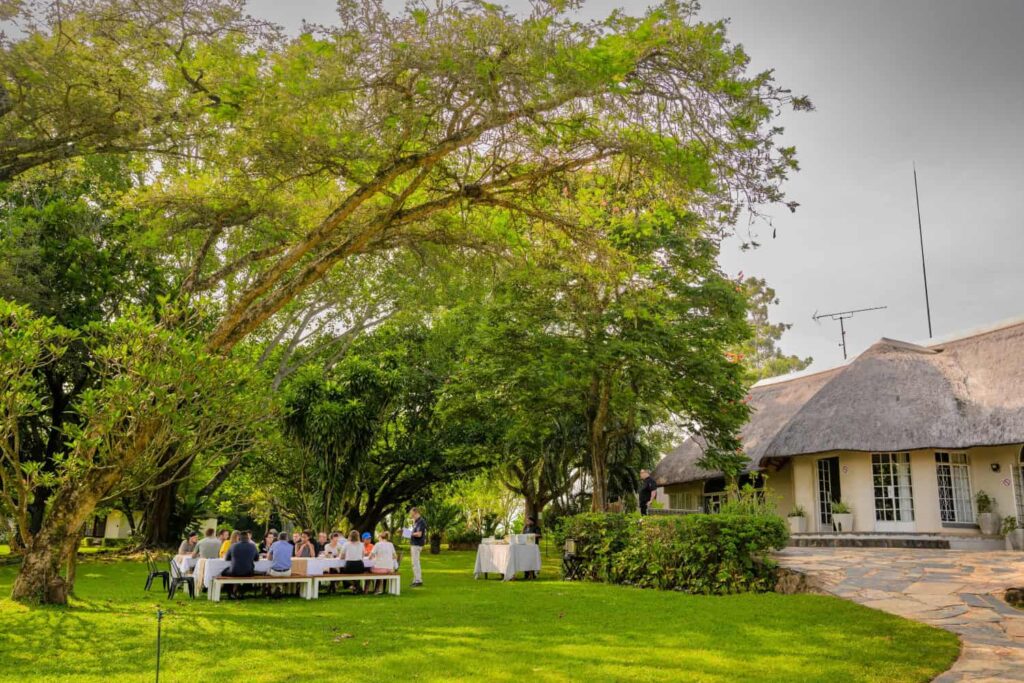
The first group meeting I went to, I didn’t even say anything. I just listened. But something about being in that room, sitting among people who knew what it was like to live outside their own skin for years, was healing in a way I didn’t expect.
Nobody tried to fix me. Nobody gave advice. They just told the raw, honest truth.
And I saw pieces of myself in every single person.
One woman shared about how she had spent decades being “the strong one,” only to realise she didn’t even know how to ask for help. A man spoke about feeling emotionally numb and how hard it was to stop pretending. Someone else talked about being afraid of rest and how her whole life was built around being needed by others. I had never met these people before, but I instantly understood them.
In that space, I felt something I hadn’t felt in a long time: safe. Safe to slow down. Safe to not have it all together.
Therapy gave me insight. The group gave me belonging. Together, they helped me begin a kind of recovery I didn’t even know I needed.
Recovery from a way of life that had kept me constantly running from myself.
What slowing down taught me

At first, it was uncomfortable. I still remember sitting on my couch in total silence one afternoon, fighting the urge to check my phone, clean the kitchen, do something productive. My heart was racing just from being still. I felt restless and exposed, like something was closing in on me. I didn’t know it then, but my body was detoxing from constant stimulation. The quiet felt so…loud.
But I stayed.
And eventually, the stillness stopped feeling dangerous. It started feeling like home.
I once heard a Zen proverb that says, “You should sit in meditation for twenty minutes a day—unless you’re too busy. Then you should sit for an hour.” The more overwhelmed I was, the more I needed stillness, not to escape life, but to finally come back to it.
I began to learn what it meant to listen to myself. To check in. To ask what I needed instead of pushing through. I learned to feel again, even when those feelings were uncomfortable.
I started to understand that slowing down wasn’t laziness. It was honesty. As one of my favorite writers Anne Lamott once wrote, “Almost everything will work again if you unplug it for a few minutes… including you.” That line stuck with me. It’s exactly what I had needed, but I didn’t know how to give it to myself.
I also began to notice patterns I’d never seen before. How I tied my worth to my productivity. How I over-functioned in relationships. How I avoided my own grief by staying too busy to feel it. I could finally see the emotional weight I had been carrying just to keep up the pace.
And slowly, I began to heal.
Little things became sacred
There was never one big breakthrough moment. Just a collection of small ones.
- Like the first time I said no without explaining myself.
- The first time I cancelled plans without guilt.
- The first time I let myself cry in the middle of the day, and didn’t try to stop it.
- The first time I asked for help before I hit my limit.
- The first time I sat with painful feelings, instead of distracting myself.
- The first time I rested simply because I was tired, not because I had earned it.
I started journaling in the mornings. I sat outside with my coffee at the kitchen table and didn’t look at my phone. I took longer walks. I learned how to breathe again with deep, grounding breaths that reminded me I was still here.
And I stayed committed to the support I had found. I kept going to therapy, and I kept showing up to group meetings. Some weeks, I didn’t want to go, but every time I did, I was so glad I did.
My therapist and the people in my group didn’t expect me to be “better.” They just expected me to be honest. And in that kind of space, healing felt perfectly natural, and that’s exactly what happened.
I didn’t want my old life back
As I got stronger, I started to notice something: I didn’t miss the life I had before, not even a little bit.
That version of me was always tired, performing, and earning her place. Every moment was a calculation: how to stay ahead, how to stay needed, how to stay useful. I don’t want to live that way again.
The version of me now is slower. Softer. Less exciting, but more at peace.
I still get pulled toward old patterns. I still hear the voice that tells me I need to be productive to have value. But I’m learning to pause. To breathe. To choose differently.
Slowing down saved my life because it gave me space to feel it, name it, and finally tend to it.
If you’re in that place

If you’re running on empty, if you feel like something’s off but you can’t quite name it, please know you’re not alone.
So many of us were taught to push through challenges and not ask for help. Some of us were taught we had to prove ourselves in order to receive love. Many of us were taught that it was our ‘job’ to care for everything and everyone. But that way of living has a cost, and you don’t have to keep paying it.
Start small. Reach out to a therapist. Find a support group. Pause for five minutes and ask yourself what you actually need. You don’t need to have a crisis to deserve help. Exhaustion is reason enough.
You’re allowed to rest. You’re allowed to change. You’re allowed to come home to yourself.
Need help finding your way back?
At White River Recovery, we walk alongside people who are ready to try something different. You don’t need to have it all figured out. You don’t even need to know exactly what’s wrong. If you’re feeling overwhelmed, stuck, or just tired of doing it all on your own, we’re here to help you.
Reach out today. Let’s slow things down, together.

About Gert Janse Van Rensburg
Gert Janse van Rensburg is a Clinical Psychologist and Equine Therapist at White River Manor. With over two decades of experience, Gert helps oversee most of the clients, bringing deep knowledge and a calming presence to addiction recovery.


